Lip filler risks and side effects: what to actually know
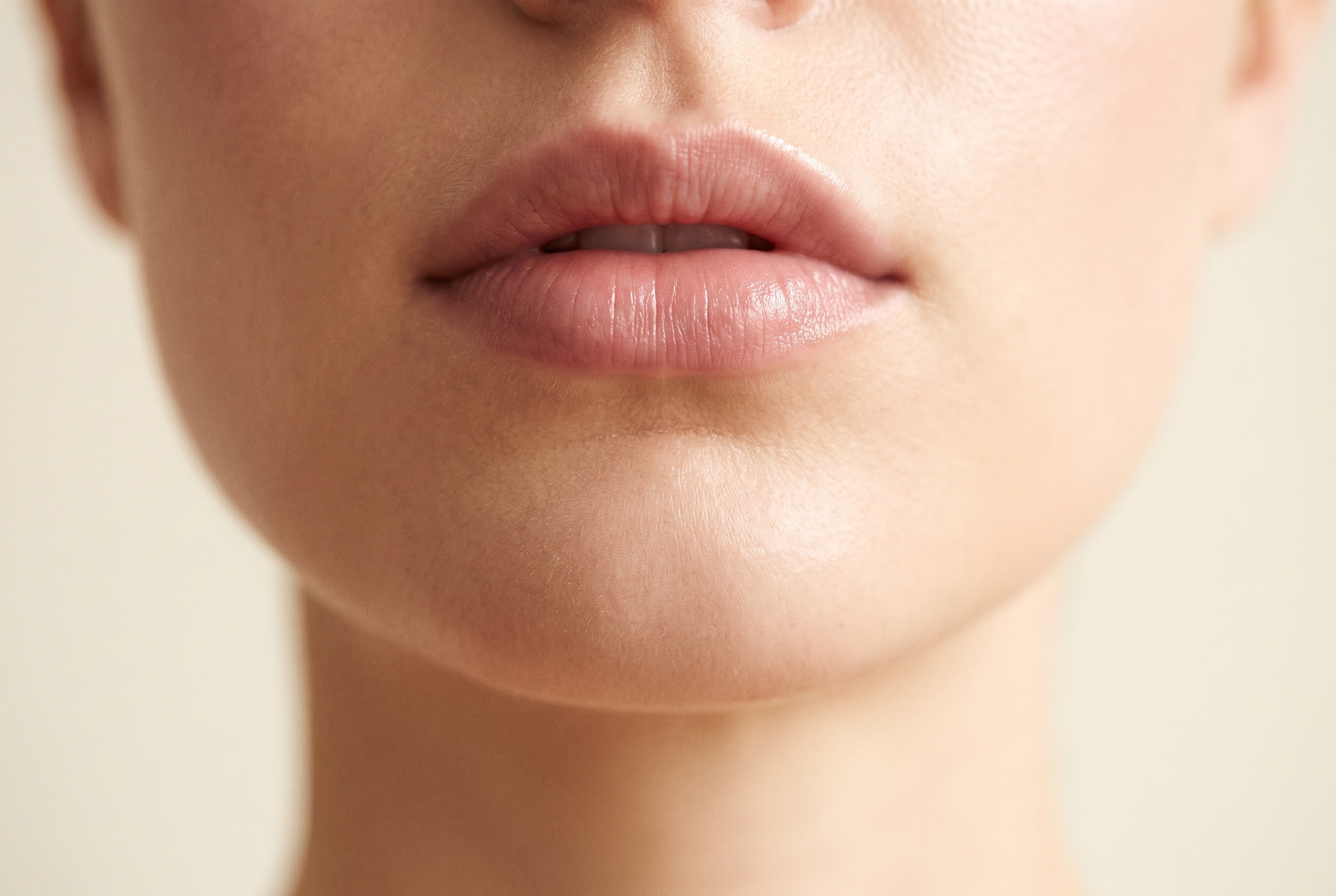
Swelling and bruising are normal. Vascular complications are real but rare, and almost always tied to an unqualified injector. Here's an honest, calm breakdown of lip filler risks.
JOURNAL
Unhurried guides to lip filler: what it costs, what it looks like, and how to decide without guessing.

Swelling and bruising are normal. Vascular complications are real but rare, and almost always tied to an unqualified injector. Here's an honest, calm breakdown of lip filler risks.

Injectable filler kits sold for home use skip every safety step a clinic provides. Here's the real difference between those, needle-free lip plumpers, and the safest way to try the look first.

Botox and Dysport are both botulinum toxin type A, not competing categories of treatment. Here's what actually differs between them (and where Xeomin and Daxxify fit in), explained without declaring a winner.

Botox and Jeuveau are both botulinum toxin type A, not competing categories of treatment. Here's what actually differs between them, explained without declaring a winner.

RHA stands for Resilient Hyaluronic Acid, a newer filler line built to move with the face instead of against it. Here's what's actually different about it, and where that difference matters.

Aqua Lips isn't a brand or a procedure of its own - it's a look. Here's what the name actually describes, and how to tell it apart from Russian lips or classic filler.

A lip flip is one of the most searched lip treatments right now, and one of the least understood. Here's what it actually does, start to finish.

Lip flip before and after photos are easy to misread because the change is small by design. Here's what's actually happening between those two photos.

A botox brow lift sounds like it should work like a surgical lift, just smaller. It doesn't. Here's what's actually happening to the muscles around your eyebrow.

The nasolabial folds are the lines from your nose to the corners of your mouth - one of the most common things filler treats, and one of the least talked about.

Forehead wrinkles do not appear overnight. They start as expression lines that only show when you move your face, and become visible at rest once the movement repeats enough times. Here is the actual mechanism.

Botox for forehead wrinkles temporarily relaxes the muscle that creates the fold, not the fold itself. Here is what it actually does, what it doesn't, and how it differs from filler.

11 lines get their nickname from how two parallel creases between the eyebrows resemble the numeral 11. They come from the procerus and corrugator muscles, not the frontalis behind horizontal forehead lines. Here is the actual mechanism, and what helps.

Before-and-after photos promise more than they explain. Here's what actually changes - and on what timeline - with Botox, filler, retinoids and sunscreen, plus how to preview your own forehead first.

Seeing a line on your forehead at 25 or 30 feels like it should mean something. Mostly it means repetition and sun exposure, not a birthday. Here is what the timing actually tells you.

Sunscreen and retinoids are the two interventions with real evidence behind them, but most advice stops at naming them without saying how much, how often, or for how long. Here is the practical version, plus the honest limits.

Forehead lines, the 11 lines between your brows, crow's feet, and smile lines all belong to the same category for the same reason. Here is what actually makes a line an expression line, and how that differs from a wrinkle caused by volume loss or sun damage.

Botox for forehead wrinkles generally lasts three to four months, though the real range runs from about two to six months depending on the person. It does not wear off on a fixed schedule, and understanding the realistic timeline matters more than chasing an exact number.

Bruising, a short headache, brow heaviness - these are the side effects people actually ask about with forehead Botox. What's commonly known about each, and why the injector matters more than the product.

Botox and dermal filler treat forehead wrinkles through completely different mechanisms, and neither is simply "better." A neutral look at what each one actually does, where retinoids and sun protection fit in, and how to tell which approach matches your own lines.

Botox, filler, microneedling, peels, laser resurfacing and retinoids are the main non-surgical routes for forehead wrinkles. Here is how each one actually works, in broad terms, and how they compare to a surgical brow lift.

"How much does Botox cost?" doesn't have one answer, because clinics price it two different ways, use a different number of units per forehead, and charge differently by provider and location. Here's what actually moves the number.

Yes, to a limited and gradual degree, and only for specific ingredients. Here is what retinoids, SPF and peptides can realistically do for forehead lines, over months, not days, and why most other cream claims don't hold up.

Lip filler and treatments for forehead lines change two separate areas through two different mechanisms, and neither one requires doing them at the same appointment. Here is how to think about sequencing, instead of bundling.

"Filler" is short for dermal filler: an injectable gel that adds volume or smooths a fold, used in lips, cheeks, under-eyes and the forehead or temples. It is not the same thing as Botox, and the area treated changes what it can realistically do.

Lip plumping covers everything from a tingling gloss to hyaluronic acid filler, and they are not the same thing. Here is what actually helps, what each option really does, and how to keep the result looking natural.

Hyaluronic acid filler is not a synthetic chemical injected into unfamiliar territory. It's a substance your body already makes, used in a purified, injectable form to add volume or smooth lines. Here is what it actually is and why it became the default.

Facial filler is a category, not a single treatment. Lips, cheeks, under-eyes and temples are all addressed differently, and a provider typically assesses the whole face before deciding where to start. Here is how that works.

Botox and filler are often mentioned in the same breath, but they work through completely different mechanisms: one relaxes a muscle, the other adds volume. Here is the core difference, the areas each is typically used for, and why providers sometimes use both on the same face.

Dermal filler is hyaluronic acid, but the depth and technique change everything: lips are shaped near the surface, foreheads and temples are built up deeper. Here is how the two areas differ, and why forehead filler works nothing like Botox.

Facial filler is used in different areas for different reasons, and most providers do not start wherever a client points first. Here is the order areas usually get treated in, and why, before you walk into a consultation.

Lip augmentation is not one procedure, it is a category. Here is what the term actually covers, who typically looks into it, what a first appointment looks like, and how to choose between a subtle and a noticeable result.

A serum cannot add volume, and an injection cannot undo years of sun damage. Here is how a skincare routine and a filler or Botox-style treatment actually divide the work, and what to pause around appointment time.

The worry isn't really about Botox - it's about losing your own expressions. Here's why a frozen look is a dosing choice, not an inherent property of the treatment, and how to see a likely direction on your own face first.

Nervous about your first Botox appointment for forehead lines? Here's the calm, step-by-step walkthrough: what the consultation covers, what the injections feel like, immediate aftercare, and when you'll actually see a difference.

Choosing a licensed provider, knowing what to ask in the consultation, and understanding the guidance people commonly hear beforehand make the actual appointment feel far less uncertain. Here is what preparing well really looks like.

Fresh forehead Botox doesn't look like much at first, and that's expected. Here's the common day-by-day timeline, from day zero to the two-week mark when the result usually settles.

Botox for forehead lines is commonly advised against during pregnancy and breastfeeding, as a precaution rather than a proven risk. It has simply never been studied in pregnant or breastfeeding people, which is why this decision belongs with your OB/GYN, not a cosmetic provider.

There's no single checklist that makes someone a 'good candidate' for forehead Botox. A few general factors come up often - age, pregnancy, certain health conditions - but a consultation is what actually decides it, not an article.

Forehead Botox is not a one-time purchase if the plan is to keep the result. Here is the realistic touch-up rhythm, whether the interval changes over time, and how to budget for it as an ongoing routine.

Search interest in forehead lines has risen sharply in several markets recently, and the reasons have little to do with skin itself. More time staring at our own faces on screens, less stigma around cosmetic treatments, easier access to providers, and a feed full of before-and-afters.

The frown line between your brows usually needs more than one fix: Botox for the muscle that keeps carving it in, filler for any groove still there at rest, and SPF plus a retinoid to slow how fast it comes back.

Forehead lines do not follow one schedule. Here is a wide, hedged look at how they tend to shift from the teens through the sixties and beyond - and why individual variation matters more than any decade.

Heavy matte foundation often looks worse on forehead lines by mid-afternoon than it did at nine in the morning, and that is usually a product and technique problem, not a skin problem. Here is what to change about primer, product amount and powder.

LipsUp previews one area per scan: lips or forehead, never both at once. If you're not sure which to try first, here's a practical way to decide, and a reminder that it isn't permanent.

Half a syringe or a full one? The honest answer is that millilitres are a poor way to describe a look. Here's what each amount tends to do, and a better question to start from.

Alcohol, the gym, flights, lipstick, straws. The do-not list after lip filler is short and mostly lasts a day or two. Here is each item and the reason behind it.

Almost nobody sets out to overfill. It happens gradually, appointment by appointment, because each small addition looks reasonable next to the last one. Here is how to spot it.

Almost every clinic will say no, and the reason is not that filler has been shown to be harmful. It is that it has never been studied in pregnancy at all. Here is what that means.

Feeling a firm spot a few days after an appointment is one of the most common reasons people panic. Most settle on their own. Here is the timeline, and the small set of signs that do not wait.

Bruising is common, usually small, and typically gone inside a week to ten days. Here is the colour timeline, what makes it more likely, and the one kind of mark that is not a bruise.

The honest answer is less often than most people assume, and the reason is that filler does not vanish on its expiry date. Here is the realistic schedule and the yearly cost.

Some alternatives genuinely change how your lips read. Others are sold hard and do nothing. Here is the honest split, and why seeing the result first changes the decision either way.

Migration means filler sitting outside the lip border, usually as a shelf above the top lip. It is one of the most searched lip filler worries, and one of the most misdiagnosed.

The hardest part of deciding on filler is picturing it on your own face. Here's what really shapes your result - and how to see it before you book.

Before-and-after photos sell the dream, but they rarely explain it. Here's how to read them - swelling, healing, amount - and preview your own.

Same filler, very different shapes. Russian lips lift and define; classic filler adds soft all-over volume. Here's how to tell which fits your face.

Lip filler prices swing wildly from clinic to clinic, and it's confusing on purpose. Here's what a syringe really costs, what changes the number, and why the cheapest option rarely wins.

Nervous about your first lip filler? Knowing what happens before, during, and after takes most of the fear out of it. Here's the calm, honest walkthrough.

Most lip fillers last 6 - 12 months, sometimes longer. Here's what speeds up or slows down the fade, when people top up, and how to keep your results looking their best.

Fresh lip filler feels swollen and looks bigger than the final result. Here's how to care for your lips day by day - and exactly when they settle.

Swollen, uneven lips right after filler can be scary - but it's normal and temporary. Here's the swelling timeline day by day, and why your real result comes later.

The fear behind every first appointment is looking overdone. Here's what actually causes duck lips - and how to keep your filler soft, balanced, and unmistakably you.

Worried lip filler will hurt? The honest answer is reassuring: most people rate it a 2 - 5 out of 10 - more of a pinch than real pain. Here's what to expect.

A lip flip and lip filler sound similar but do opposite things - one relaxes a muscle, the other adds volume. Here's how to tell which fits your goal.

One of the most reassuring facts about lip filler is that it can be undone. Here's how dissolving works - and how to make sure you never need it.

Lip filler isn't one look - it's a menu. Here's what Classic, Russian, Keyhole, Cherry and Cupid's-bow lips actually mean, and how to see each on your face.

There's no single 'best' lip shape - only the one that balances your face. Here's how proportion, your cupid's bow, and profile point to the look that flatters you.

A little preparation makes lip filler day calmer and your result better. Here's a simple do's and don'ts list - plus the one prep step almost everyone forgets.
GET LIPSUP
Take one selfie and preview the look before you book anything.