Botox vs. Dysport: What's Actually Different
Botox and Dysport are both botulinum toxin type A, not competing categories of treatment. Here's what actually differs between them (and where Xeomin and Daxxify fit in), explained without declaring a winner.

Botox and Dysport get compared constantly, but they're not two different kinds of treatment. Both are botulinum toxin type A: the same active mechanism, made by different manufacturers with a different formulation. The real question isn't which one "works better," it's what differs in how each behaves once it's injected.
What Botox and Dysport actually have in common
Both work the same way: injected into a specific muscle, they block the nerve signal that tells that muscle to contract. A muscle that can't fully contract stops folding the skin above it, so a line caused by repeated movement, like forehead lines or the frown lines between the brows, stops forming for as long as the effect lasts. Neither product adds volume or fills anything in; both are about limiting a muscle's movement, not the skin itself.
They're also approved for overlapping uses and target the same category of problem: dynamic lines caused by expression, not static creases that are already set into the skin at rest.
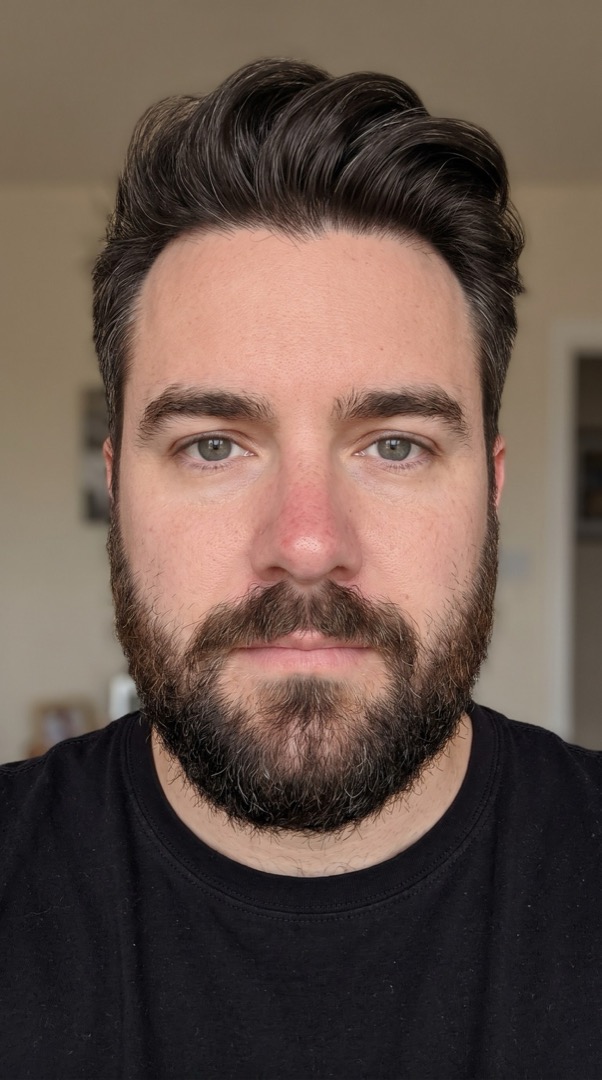
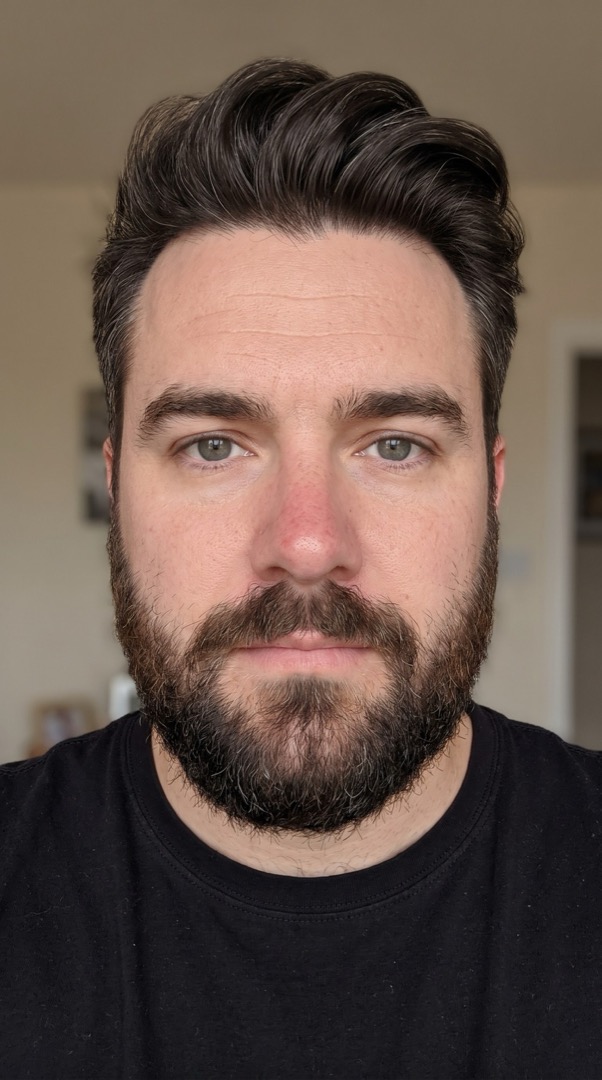 BeforeAfter
Where the differences actually show up
The gap between them is narrower than marketing sometimes suggests, but a few things are commonly discussed:
- Onset. Dysport is often described as showing a visible effect a bit sooner, sometimes within two to three days, compared with Botox's typical three to seven days. Both reach their full effect within about two weeks.
- Spread. Dysport's formulation is generally described as diffusing slightly more from the injection point. Some providers use that to their advantage over a larger, flatter area like the forehead; others prefer tighter control near the brow and choose accordingly.
- Dosing units aren't interchangeable. A unit of Dysport is not the same as a unit of Botox. Providers work from their own established conversion (commonly cited in a rough range), which is exactly why self-comparing "how many units" between two quotes doesn't tell you much on its own.
- Duration. Broadly similar for both, typically three to four months before the effect fades and a repeat treatment is considered.
What about Xeomin and Daxxify?
Xeomin is also a botulinum toxin type A product, formulated without the accessory proteins that Botox and Dysport contain; some providers discuss this in the context of a lower chance of the body building resistance over repeated treatments, though that's a provider-level conversation, not something to self-diagnose. Daxxify is newer and is marketed around a longer duration, sometimes cited around six months, using a different stabilizing technology. All four work through the same core mechanism.

 BeforeAfter
So which one should you choose?
None of these is universally "stronger" or "safer." The differences are real but nuanced: how fast it kicks in, how far it spreads from the injection site, and how a specific provider has calibrated their dosing with that particular product over years of using it. In practice, the single biggest factor in how a result turns out is the injector's experience and technique, not which brand of toxin is in the syringe.
Pricing varies by provider, product, and dose, and isn't something to compare meaningfully without an in-person consultation and a specific treatment plan.
See the result before you choose a product
Whichever brand you and your provider land on, the actual outcome you're picturing, smoother forehead lines, a softer frown line, is the same kind of result either way. LipsUp lets you see a computer-generated visualization of smoother forehead lines on your own selfie, so you have a concrete reference point to bring into the consultation, regardless of which product ends up being used. Your photo stays on your device, only the relevant area is processed.
Always consult a licensed professional before any cosmetic treatment.
QUESTIONS
Frequently asked
What's the actual difference between Botox and Dysport?
Both are botulinum toxin type A with the same core mechanism. The differences discussed are practical rather than fundamental: Dysport is often described as having a slightly faster onset and more spread from the injection point, and dosing units aren't interchangeable between the two. Neither is a stronger or weaker category of treatment.
Is Dysport weaker or stronger than Botox?
Neither. They work through the same mechanism, just formulated differently and dosed in units specific to each product. A provider's experience calibrating a specific product matters far more to the outcome than which of the two is used.
Can LipsUp show me what smoother forehead lines would look like?
LipsUp previews a computer-generated visualization of smoother forehead lines on your own selfie, regardless of which product you and a licensed professional end up choosing. It's a reference point for the consultation, not a medical assessment or a guarantee of results.