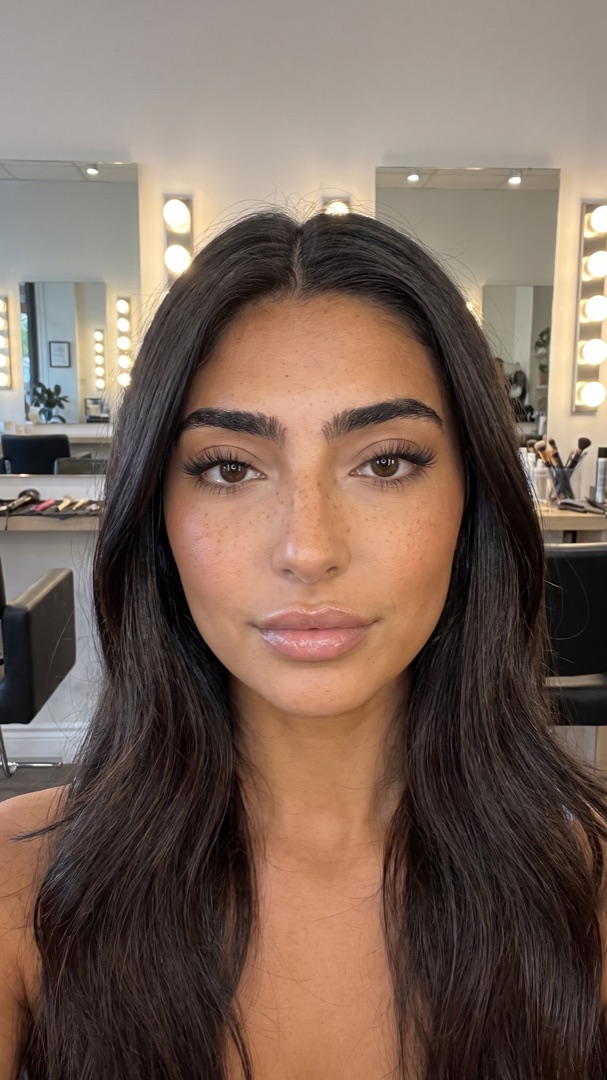
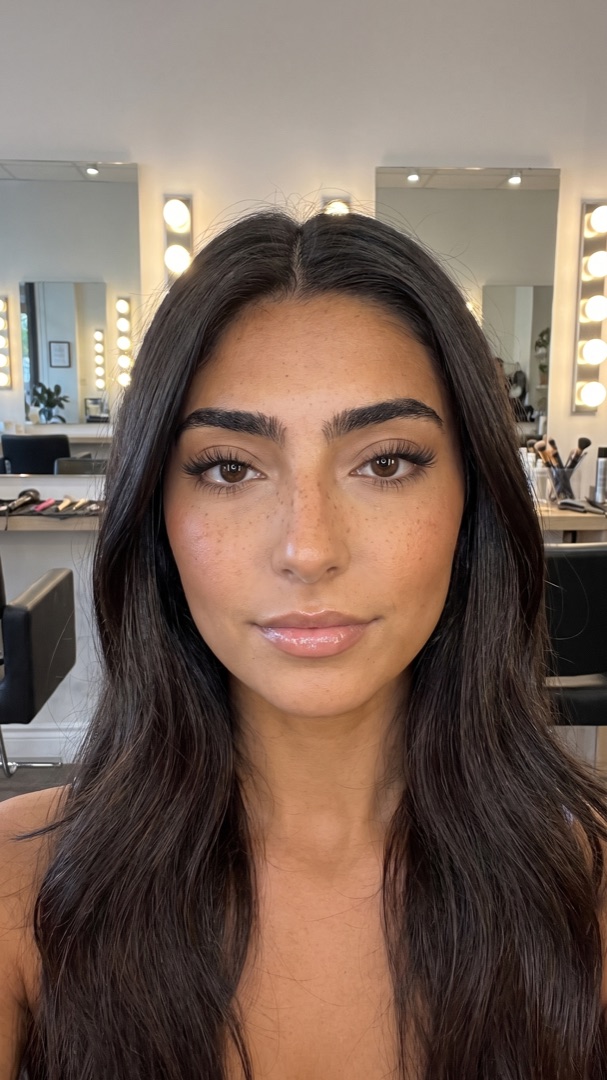
Forehead Lines Before and After: What Realistic Smoothing Looks Like
Before-and-after photos promise more than they explain. Here's what actually changes - and on what timeline - with Botox, filler, retinoids and sunscreen, plus how to preview your own forehead first.

A forehead lines before and after is rarely instant. Botox-smoothed dynamic lines take roughly one to two weeks to settle and last three to four months. Filler changes static, etched-in creases differently, and retinoids with daily sunscreen work over months, not days. A computer-generated preview on your own selfie shows the shape of the change before you decide.
What changes first, and what takes longest
A forehead line starts out dynamic - visible only when you raise your eyebrows or frown - and becomes static once it shows up at rest too. That distinction is the actual foundation of an honest before-and-after, because the two kinds of lines respond to completely different things: softening a dynamic line and softening a static one are not the same photo, and conflating them is how a lot of before-and-after marketing oversells. The full mechanism behind why a line crosses that threshold is covered in why forehead lines actually form; what matters here is which stage a specific forehead is actually at before comparing it to anyone else's result.
How long does a Botox before-and-after actually take to show up
The injection itself changes nothing on the spot. Botox works on the muscle, not the skin directly, so the usual pattern is three to seven days before the frontalis starts relaxing, with the full effect visible by around the two-week mark. That's the honest before-and-after window: a photo taken on treatment day shows nothing, and one taken two days later is still mid-transition. Once it sets in, the smoothing typically holds for three to four months before the muscle regains its normal movement and the dynamic line reappears - which is why a single before-and-after pair never tells the whole story; the same forehead photographed again at month four looks different again.
Always consult a licensed professional before any cosmetic treatment, and read any stated timeline as a general pattern rather than a guarantee for a specific face.
What does filler change that Botox doesn't
Filler works on an entirely different line. Botox relaxes the muscle that keeps re-folding the skin; filler adds volume underneath a crease that has already set, which is why it tends to come up once a line shows at rest and not just mid-expression. A filler before-and-after also reads differently on a calendar: the "after" shows up right at the appointment rather than days later, though swelling in the first 48 hours can temporarily exaggerate how full it looks. The two treatments aren't interchangeable, and which one - if either - fits a specific forehead is a question for a licensed professional, not a comparison photo found online.
What does a retinoid-and-sunscreen before-and-after actually look like
The slowest, least dramatic change in this whole topic is also the one with the steadiest evidence behind it. Daily sunscreen limits the collagen damage that makes creases set in the first place, and retinoids have decent evidence for stimulating new collagen with months of consistent use. Neither produces a same-week pair of photos worth posting - the honest comparison is a selfie today against one taken in three to six months, not tomorrow morning, and the difference tends to be a softer look rather than a vanished line.
How much change is realistic, and how much isn't
A before-and-after that goes from deeply creased to completely flat overnight is not showing a treatment - it's showing retouching. Realistically, Botox softens dynamic lines and, used consistently over months or years, can slow a static line from deepening further, but it doesn't erase an already-set crease by itself. Filler can soften an existing static line, but overfilling a flat area to chase total smoothness tends to look stiff instead of natural - the same trade-off lip filler before-and-afters run into when too much product goes in too fast. For most foreheads, the realistic target is visibly softer, not line-free.
Why before-and-after photos vary so much
Scroll through enough forehead before-and-afters and the differences stop being only about the treatment. Overhead light deepens a line that softer, angled light barely shows. A slightly tilted chin changes how visible a static crease looks at rest. Filters and skin-smoothing apps erase texture that has nothing to do with any procedure at all. And people tend to post their best "after" - a good-light, good-angle selfie - against their worst "before," taken under exactly the lighting that exaggerates every line.
None of that makes the underlying change fake. It just means the honest way to read someone else's before-and-after is to ask what else changed besides the forehead: the light, the angle, the filter, the time since treatment.
Seeing your own before and after before you decide
The most reliable before-and-after isn't a stranger's photo - it's your own face, under your own lighting, compared against itself. LipsUp's paywall frames that moment directly: "See your new look before you decide." The app produces a computer-generated visualization of smoother forehead lines on your own selfie, so there's a concrete before-and-after of your actual forehead to judge, instead of extrapolating from someone else's result and someone else's lighting.
Your photo stays on your device - only the forehead area is processed. And as with every option covered here: consult a licensed professional before any cosmetic treatment, and treat the preview as a visualization for inspiration, not a guarantee of how a real procedure would turn out.
Related reading
QUESTIONS
Frequently asked
How long does it take for a Botox before-and-after to show the full result?
Botox typically starts relaxing the frontalis muscle three to seven days after injection, with the full smoothing effect visible by around two weeks. It then lasts roughly three to four months before the muscle regains its usual movement.
Does filler work the same way as Botox for forehead lines?
No. Botox relaxes the muscle causing a dynamic line; filler adds volume under a static line that has already set. They target different stages of the same line and aren't interchangeable - a licensed professional can assess which, if either, fits a specific forehead.
Can I see a realistic forehead before-and-after without any treatment?
Yes. LipsUp generates a computer-generated visualization of smoother forehead lines on your own selfie, so you can compare your own before-and-after before deciding. It's a preview for inspiration, not a medical prediction - always consult a licensed professional before any cosmetic treatment.