Why Forehead Wrinkles Searches Are Spiking Right Now
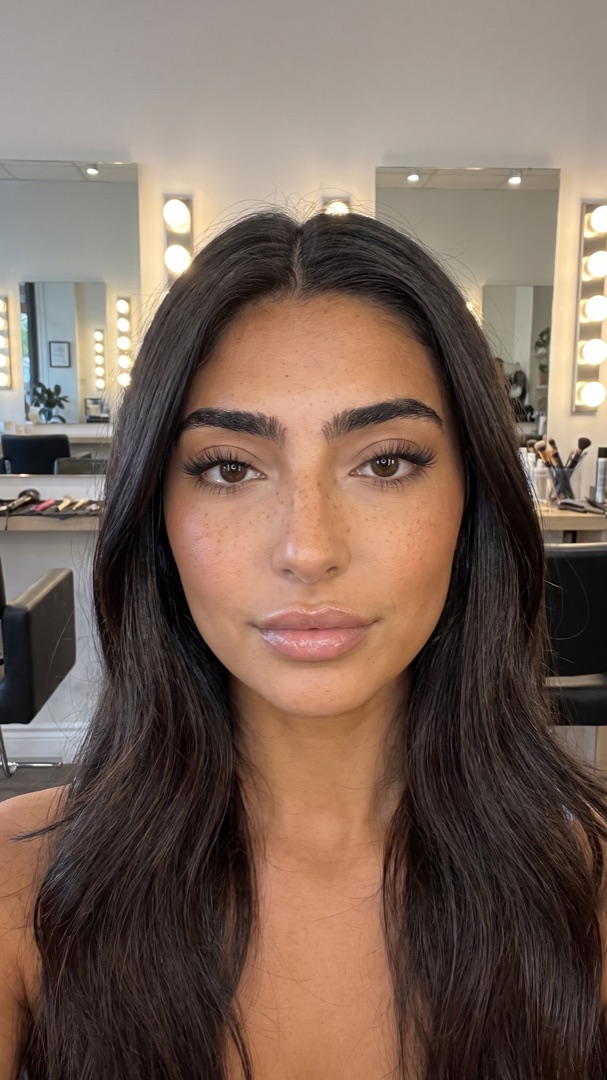
Search interest in forehead lines has risen sharply in several markets recently, and the reasons have little to do with skin itself. More time staring at our own faces on screens, less stigma around cosmetic treatments, easier access to providers, and a feed full of before-and-afters.
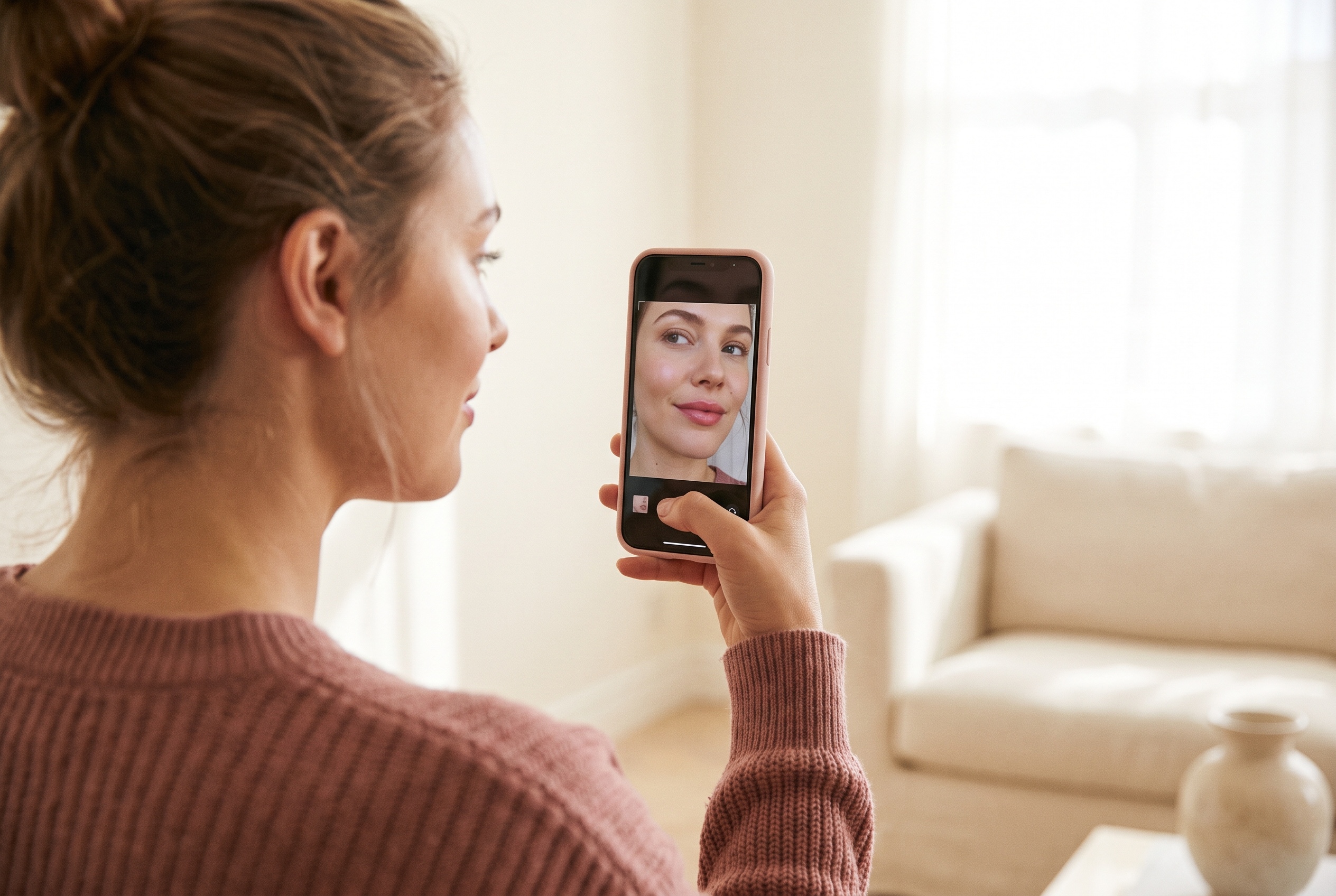
Search interest in forehead lines has risen sharply in several markets recently, and the shift is not about skin changing faster than it used to. It tracks four cultural changes at once: more time scrutinizing our own faces on video calls and in selfies, less stigma around discussing cosmetic treatments openly, easier access to providers, and a social feed that normalizes before-and-after content as everyday posting rather than a secret.
Why is this suddenly a bigger search topic?
None of this means more people are developing lines - it means more people are noticing and naming what they already had, then going looking for information. A search spike is a proxy for attention, not for a change in anyone's actual skin. The forehead specifically is getting singled out because of where that attention is coming from, which is the next four sections.
It also helps to separate two different kinds of searches that get lumped together under the same spike: people trying to understand the mechanism (why forehead lines form, what "dynamic" versus "static" means) and people trying to decide what to do about something they already noticed. Both categories are up, but it is the second one - the "what do I do about this now" search - that has grown the most, since it maps directly onto the four shifts below.
Video calls put your own forehead on a screen, at eye level, for an hour at a time
A decade ago, most people saw their own face for a few seconds in a mirror. Now a huge share of work and social life happens on video calls, where your own tile sits on screen next to everyone else's for the whole meeting. That is an unusual amount of unscripted, well-lit, static exposure to your own face from an angle you otherwise never study.
The forehead is disproportionately visible in that setup specifically because webcams tend to sit above eye level, which foreshortens the upper face and puts the forehead closer to camera than in a normal mirror glance. Selfie culture does something similar from a different angle: more photos of your own face, taken more often, at closer range, than any generation before had reason to take.
Cosmetic treatments are a much more normal dinner-table topic than they used to be
A second, separate shift is social rather than visual. Cosmetic treatments used to be something people did quietly and did not mention. That has loosened substantially - friends talk about it, public figures discuss it on podcasts and in interviews, and the topic carries less of the secrecy it once did. Less stigma does not create new wrinkles. It removes a barrier that used to keep people from searching for information about something they had already noticed, because searching felt like admitting something they would rather not admit.
Providers are easier to find and the price range is wider than it used to be
The provider landscape has also broadened. There are more clinics, more med spas, and more price points than a decade ago, which means a search that used to lead to "find a dermatologist and book a consultation" now more often leads to a realistic, researchable range of options. Easier access does not create curiosity on its own, but it removes a reason people used to give up on a search halfway through: not knowing where this information would even lead.
Social media turned before-and-after content into something you scroll past daily
The fourth piece is the simplest to see and probably does the most work: before-and-after content is now a normal, frequent category of social content, not a clinic-brochure format reserved for marketing material. Seeing that kind of result repeatedly, as casual scrolling content rather than as an ad, makes the underlying question ("what would that actually look like") feel like something worth typing into a search bar instead of letting it pass.
Is this really new, or just newly visible?
Forehead lines are not a new phenomenon. Expression lines caused by the frontalis muscle have existed for as long as people have raised their eyebrows, and the biology behind them has not changed in the last five years. What changed is how often people now get an unfiltered, well-lit look at their own forehead, and how much less awkward it has become to ask a search engine about what they saw.
That distinction matters, because it frames the trend correctly. This is not evidence of forehead wrinkles becoming more common. It is evidence of a generation getting significantly more visual data about its own face, delivered through video calls and front-facing cameras instead of mirrors, and reacting to that data the way people react to any new information: by looking it up.
What this has to do with LipsUp
That same "what would it actually look like" question is the gap LipsUp's forehead feature is built to answer, without the search, the scrolling, or the guessing about whether someone else's before-and-after applies to your own face. You can see a computer-generated visualization of smoother forehead lines on your own selfie before deciding anything. Your photo stays on your device - only the forehead area is processed.
For the actual mechanism behind why forehead lines form in the first place, independent of any of this cultural context, why you're getting forehead wrinkles covers the dynamic-versus-static distinction and what the evidence says actually helps.
Always consult a licensed professional before any cosmetic treatment. Nothing here is medical advice.
QUESTIONS
Frequently asked
Does more people searching for forehead wrinkles mean more people are getting them?
Not necessarily. A search spike measures attention, not a change in skin. More time scrutinizing your own face on video calls and in selfies, less stigma around discussing treatments, and a social feed full of before-and-afters all push people toward searching for something they may have already noticed years earlier.
Why does the forehead get singled out, specifically?
Webcam angles and close-range selfies both put the forehead closer to the camera and in sharper focus than a typical mirror glance, which makes it one of the first areas people start noticing differently once they are looking at their own face on a screen for long stretches.
Can I see what a smoother forehead would actually look like before searching for a provider?
LipsUp lets you see a computer-generated visualization of smoother forehead lines on your own selfie, so you have a concrete picture to work from instead of guessing based on someone else's before-and-after. Your photo stays on your device, and consulting a licensed professional is still the right next step for any actual treatment decision.