Nasolabial fold filler: what it does and who it's for
The nasolabial folds are the lines from your nose to the corners of your mouth - one of the most common things filler treats, and one of the least talked about.

The nasolabial folds - sometimes called smile lines or laugh lines - run from the sides of your nose down to the corners of your mouth. They're one of the most commonly treated areas with filler, even though they get far less discussion than lips or the forehead.
Why they form
Unlike forehead lines, nasolabial folds aren't purely caused by repeated muscle movement. They're mostly a structural issue: as cheek volume and skin elasticity decrease with age, the fold between the cheek and the upper lip becomes more defined and visible, even at rest. That's why filler, not Botox, is the standard treatment here - this is a volume-loss problem, not a muscle-movement one.
What filler actually does in this area
Hyaluronic acid filler is placed to add back volume to the cheek and the area just above the fold, which softens the crease from underneath rather than filling the line directly. Done well, the goal is a smoother transition from cheek to mouth, not a visibly "filled" look - overcorrecting this area is one of the more common ways filler reads as obvious.
The amount used varies by how deep the fold is and how much cheek volume has already been lost, and it's often assessed alongside the cheeks as part of the same consultation rather than treated in isolation.
Cost and how long it lasts
Pricing follows the same general logic as other hyaluronic acid filler: by syringe, with the total depending on how much product is needed, the injector's experience, and location. Results typically last around six to twelve months before the product gradually breaks down, similar to lip filler.
Who typically considers it
People usually look into nasolabial fold filler when they feel the lines make them look tired or older than they feel, especially once the fold stays visible even with a relaxed expression. It's commonly discussed alongside cheek filler, since the two areas affect each other.
What LipsUp can and can't show you here
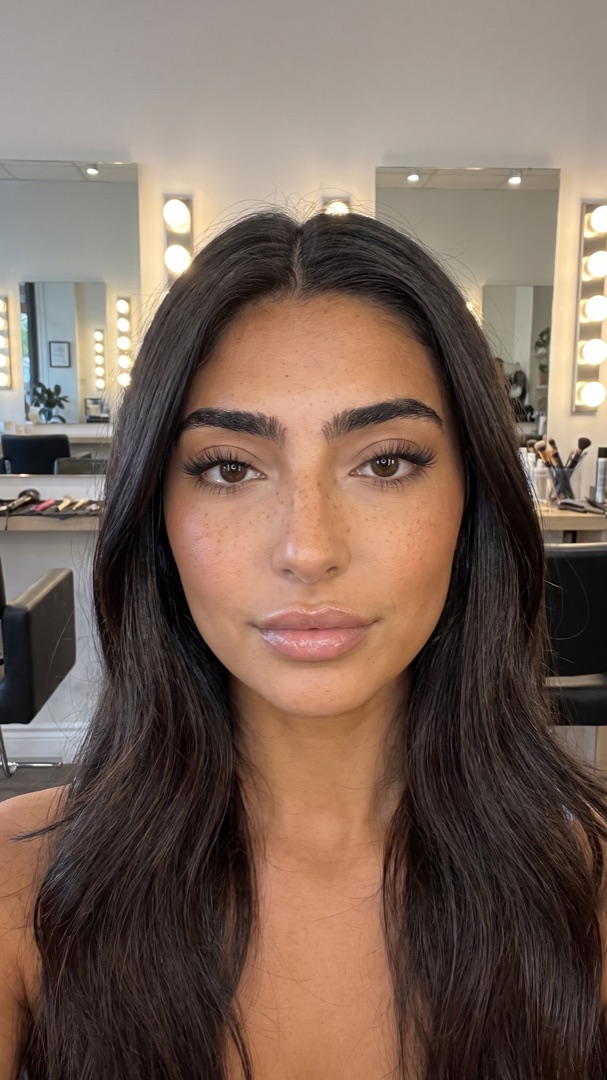
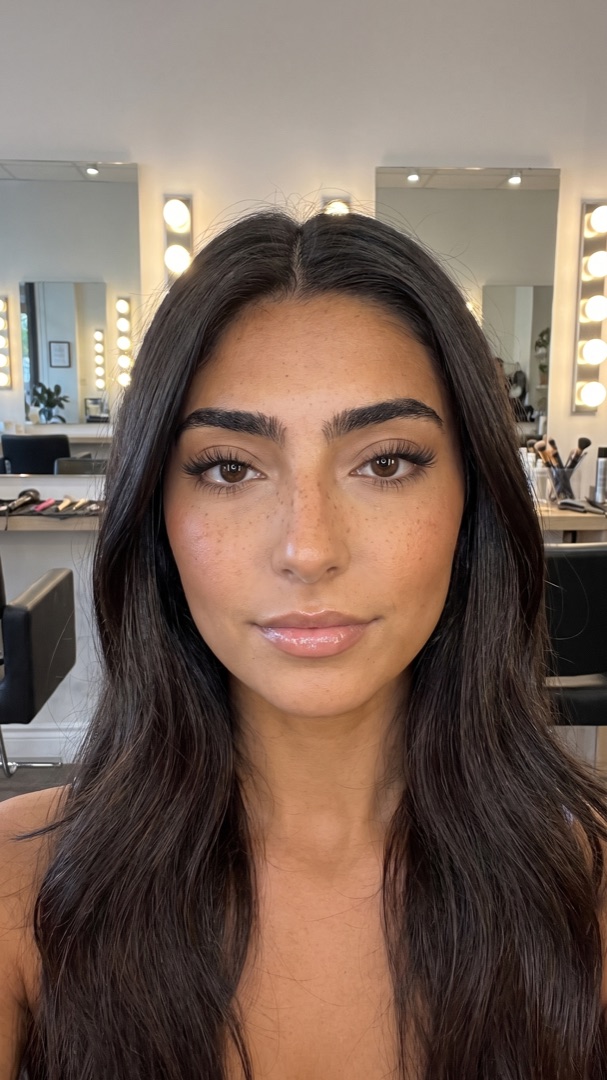
LipsUp currently previews two areas: fuller lips and a smoother forehead - it doesn't simulate nasolabial folds specifically. If you're exploring filler more broadly and lips are part of that conversation, you can preview a fuller-lip look on your own selfie for a sense of how filler changes your face in a related area, then discuss the nasolabial folds specifically with a licensed professional who can assess your actual anatomy. This is informational content only, not medical advice.
QUESTIONS
Frequently asked
Is Botox or filler used for nasolabial folds?
Filler. Nasolabial folds are mostly caused by volume loss in the cheek area rather than repeated muscle movement, so hyaluronic acid filler - which restores volume - is the standard treatment, not Botox.
How long does nasolabial fold filler last?
Typically around six to twelve months before it gradually breaks down, similar to lip filler, though it varies by the amount used and individual metabolism.
Can LipsUp show me what filler would look like on my nasolabial folds?
No. LipsUp currently previews fuller lips and a smoother forehead only - it doesn't simulate nasolabial fold filler. This article is informational only; consult a licensed professional to assess that area.