Will Forehead Botox Change How I Look?
The worry isn't really about Botox - it's about losing your own expressions. Here's why a frozen look is a dosing choice, not an inherent property of the treatment, and how to see a likely direction on your own face first.

The fear of looking "frozen" almost never comes from the treatment itself - it comes from how much was used and where. A provider who doses conservatively and respects the muscles you use to show expression can smooth forehead lines while leaving your face recognizably yours, though as with any cosmetic treatment, no specific outcome can be promised in advance.
Why does Botox get a reputation for looking "frozen"?
Forehead movement comes from the frontalis muscle - it's what raises your eyebrows and creates that surprised or inquisitive look on your face. Botox works by temporarily relaxing the muscle it's injected into. If a provider treats the entire frontalis at a high dose, the muscle stops contracting almost completely, and so does your ability to raise your eyebrows. That's where "frozen" comes from - not the treatment doing something unusual, but a muscle being told to stop working almost entirely.
This is a widely known, non-medical fact about how dosing works, not a guarantee about any individual result. The same muscle, treated with a smaller amount or in a different pattern, keeps some ability to move - the difference between a smoothed forehead that still reacts when you're surprised, and one that doesn't react at all.
Is "too much" a property of the treatment, or a provider's choice?
It's a choice, made by the provider, not something fixed about the treatment. Dosing, injection points, and spacing are all technique decisions. The same active ingredient can be used conservatively - often described informally as a lighter treatment - to soften movement without stopping it, or more heavily to flatten the forehead almost completely. Neither approach is "the treatment" doing something inherent; both are choices about how much and where.
That's also why two people can walk away with very different experiences from what is, on paper, the same procedure. A provider who starts conservative, checks the result after about two weeks, and adjusts gradually is working from a different plan than one who maximizes the dose on the first visit. It's reasonable to ask about this directly before booking: how much eyebrow movement will I likely keep, and what happens if I decide I want less change next time.
How do providers decide the right amount?
Before injecting anything, a provider typically asks you to raise your eyebrows and frown so they can see how strong your frontalis is and how your particular lines behave. That assessment, done face to face, is what a dosing plan is actually based on - which is also why no article, photo set, or app can substitute for it. Many providers favor starting lighter and treating again after a couple of weeks if more softening is wanted, rather than going heavy on the first visit. That gradual approach is itself a dosing philosophy worth asking a provider about directly, since not everyone follows it.
It also typically takes one to two weeks for the full effect to settle in - a widely known general timeframe for this category of treatment, not a guarantee for any specific case. That's part of why judging the result on day one or two is misleading: the forehead you see immediately after a visit often isn't the forehead you'll actually be living with once everything has settled.
Does looking "natural" mean no visible change at all?
Not quite. The realistic goal usually isn't zero difference - it's that the change doesn't read as obviously "done." A forehead that still shows a faint line or two when you're genuinely surprised, but doesn't crease deeply at rest, can look both smoother and completely like you. Chasing a forehead that stays perfectly flat through every expression is usually what tips a result toward looking altered rather than simply refreshed, and that circles back to dosing again - not to some separate "natural" setting a provider can just select.
What if the result isn't what you wanted?
One genuinely reassuring, widely known fact about this category of treatment is that it's temporary - results fade over time rather than being permanent, though exactly how long varies by person and isn't something any provider can guarantee in advance. That doesn't make a result you dislike pleasant to live with in the meantime, which is exactly why getting the conversation about dose right before the first treatment matters more than trying to fix it afterward. If the effect feels stronger than you expected once it has settled, saying so early still matters - some providers can make small adjustments at a follow-up visit, though exactly what's possible depends on timing and your specific case.
Can I see a likely direction before deciding?
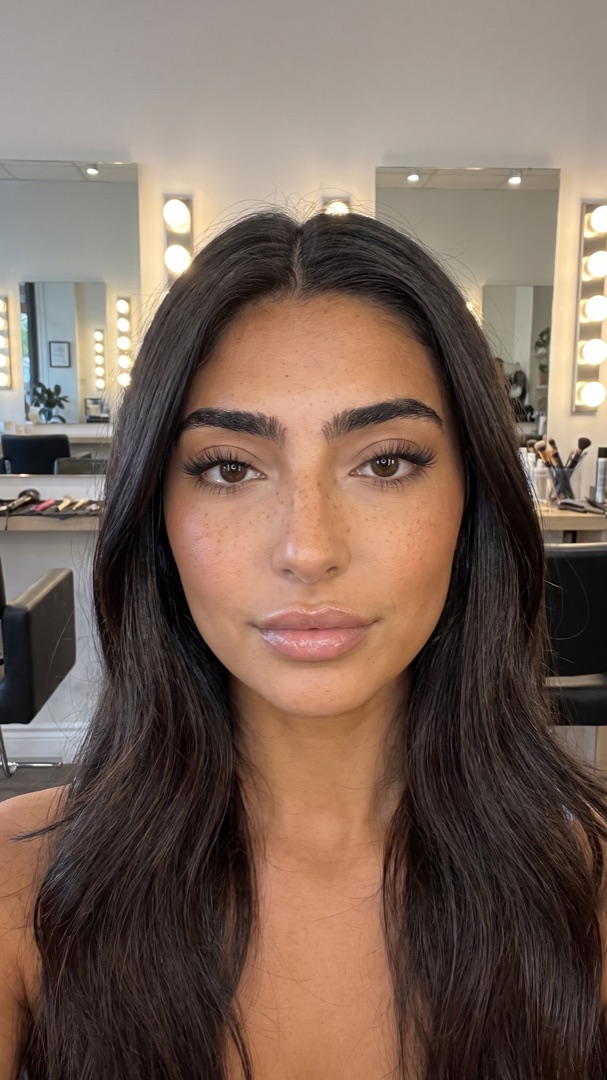
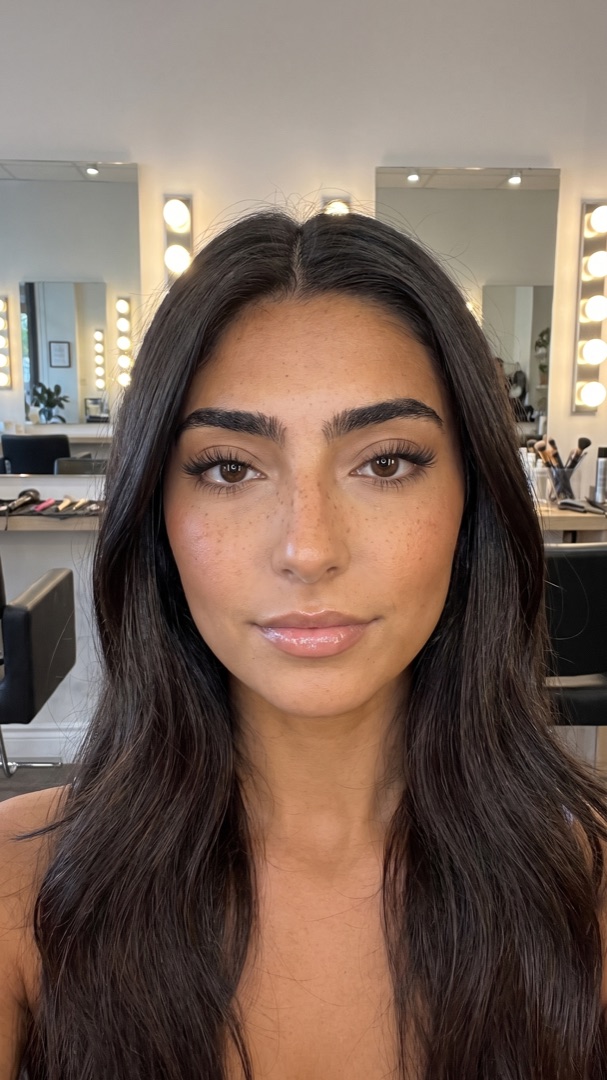
This is the exact uncertainty LipsUp's forehead feature exists to reduce - not "will my provider get the dose right," which only an in-person consultation can answer, but "what does a smoother forehead look like on my own face, roughly." You can see a computer-generated visualization of smoother forehead lines on your own selfie before deciding anything, instead of picturing the change in the abstract or basing it on someone else's forehead. Your photo stays on your device - only the forehead area is processed.
That preview can't tell you what your specific provider will achieve, and it isn't a stand-in for the in-person assessment that decides your actual dose and technique. What it can do is give you a concrete starting point for the conversation, the same way bringing a reference photo helps - except the reference is your own face instead of a stranger's.
Always consult a licensed professional before any cosmetic treatment.
QUESTIONS
Frequently asked
Does Botox always make your forehead look frozen?
No - a frozen look is widely understood to come from a high dose applied broadly across the frontalis muscle, not from an inherent property of the treatment. A more conservative dose and spacing can soften lines while leaving some natural movement, though the exact result depends on your anatomy and your provider's approach and can't be guaranteed.
How can I avoid a frozen-looking result?
Choose a provider you trust, ask directly about their dosing philosophy (starting lighter versus going heavy on the first visit), and say explicitly that keeping natural movement matters to you. None of this guarantees an outcome, but it's the conversation that most directly addresses the worry.
Can I know in advance how smoothing my forehead will look on me?
Not with certainty - only an in-person consultation can tell you what your provider will actually achieve. LipsUp lets you see a computer-generated visualization of smoother forehead lines on your own selfie first, which gives you a likely visual direction to discuss, not a prediction of your treatment outcome.