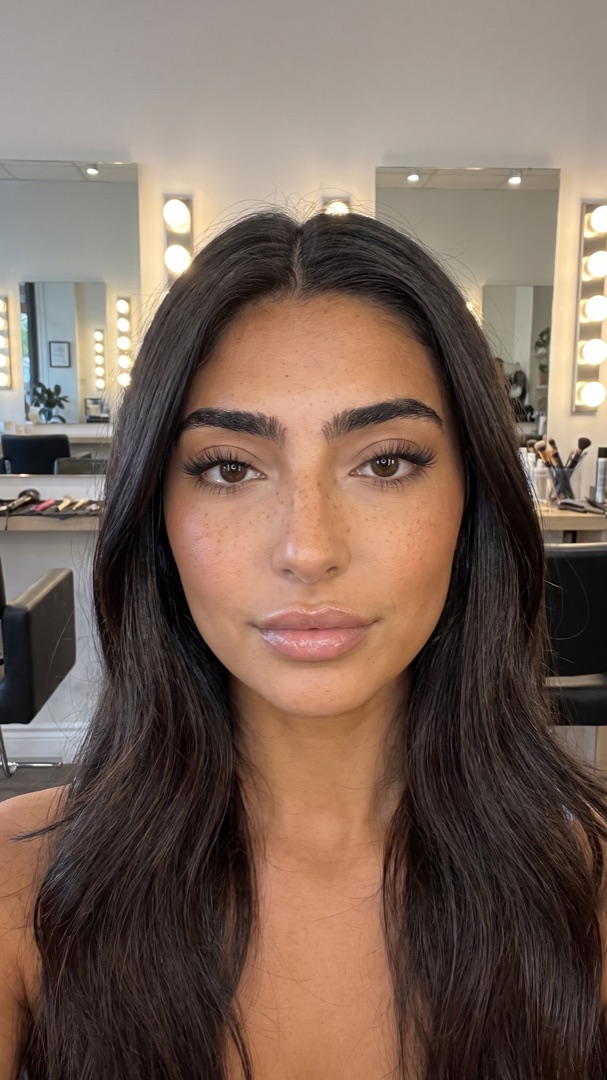
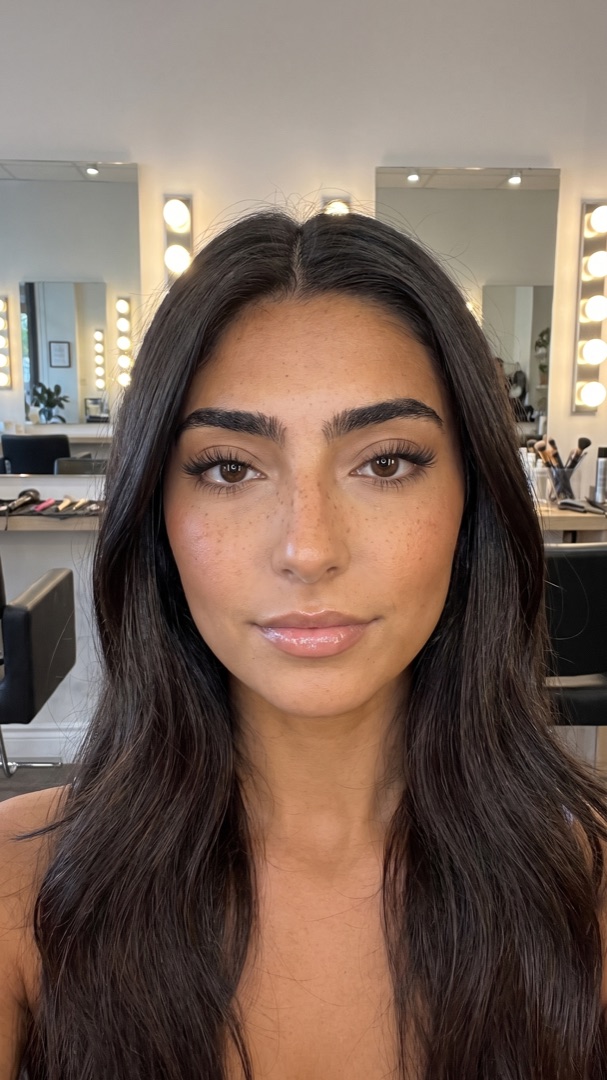
Facial Filler, Explained: Every Area It Can Treat
Facial filler is a category, not a single treatment. Lips, cheeks, under-eyes and temples are all addressed differently, and a provider typically assesses the whole face before deciding where to start. Here is how that works.

Facial filler is not one treatment aimed at one feature. It is a category of hyaluronic acid injections that can add volume to several different areas of the face, lips, cheeks, under-eyes and temples among them, each addressing a different sign of volume loss or a different proportion someone wants to adjust. None of this is a single procedure with one outcome, which is exactly why the category gets confusing before a first consultation.
What areas does facial filler actually treat?
The term covers a handful of distinct areas, and each one is assessed and treated differently because the tissue, the goal, and the technique all differ.
- Lips. The most searched-for use, and the one this site covers in the most depth elsewhere, adding shape or volume to the lips themselves. It is also the area most people picture first when they hear "filler," even when their actual concern is somewhere else on the face.
- Cheeks and midface. Restoring volume to the cheekbone and the area just below it, which can soften the look of nasolabial folds without touching them directly, since a lot of that fold is actually a midface support problem rather than a line that needs filling on its own.
- Under-eye hollows (tear troughs). One of the more technically demanding areas, because the skin is thin and the margin for a visible or uneven result is small, which is part of why it tends to carry a higher bar for provider experience than other areas.
- Temples. Often overlooked, but hollowing at the temples changes how the whole upper face reads, and some providers treat it precisely because it affects how the eyebrow and outer eye area sit, not as a feature on its own.
None of these areas are treated with the same technique or the same amount of product, and a provider trained in one is not automatically experienced in all of them. Asking directly about a provider's experience with the specific area you're considering is a reasonable, ordinary question, not an awkward one.
How does a provider decide where to start?
A proper consultation looks at the face as a whole before it looks at any single feature. That usually means assessing proportions in natural light, watching how the face moves, and asking what specifically bothers the patient rather than assuming it is the area they mention first.
It is common for an experienced provider to suggest starting somewhere other than where a patient initially pointed. Volume loss in the cheeks, for instance, can make the lower face and lips look smaller by comparison, so addressing the cheeks first sometimes changes how much (or how little) someone actually wants done to their lips afterward. That is a judgment made in person, based on anatomy, not a rule that applies to every face, and it is one more reason a single-area search like "lip filler cost" often turns into a broader conversation once an appointment actually happens.
Facial filler and Botox: not the same category
It is worth separating these clearly, because they get mentioned in the same breath constantly and solve different problems. Filler adds volume, it fills in a hollow or restores a lost contour. Botox relaxes a muscle, which is why it is the option people research for expression-driven lines like the ones between the eyebrows or across the forehead, not for volume loss. A face can reasonably involve a conversation about both, but they are not interchangeable, and a provider recommending one over the other should be able to explain why in terms of what each one actually does mechanically.
What does "facial harmony" actually mean?
"Facial harmony" is the idea of treating the face as a set of related proportions rather than one isolated feature, so that a change in one area doesn't look disconnected from the rest. In practice, it is a way of thinking about a consultation, not a fixed package of treatments, and more areas addressed at once is not automatically a better or more "harmonious" result. Plenty of people have one specific concern and nothing else needs changing. A provider who talks in terms of balance should still be solving a problem you actually have, not selling you additional areas you didn't ask about, and it is a fair question to ask directly whether a suggested second or third area is addressing something you actually mentioned.
Questions worth asking before you book
A short list that applies across every area above, not just one:
- How many years of experience does the provider have specifically with this area, not cosmetic injecting in general?
- What happens if the result needs to be softened or adjusted afterward?
- Is the plan starting with the smallest amount that achieves the goal, with room to add more later if wanted?
- What, concretely, changes about daily life in the days immediately after?
None of these have a universal answer. They are the ones worth having answered by the person actually doing the treatment, in person, before anything is decided.
Is facial filler the same as lip filler?
Lip filler is one specific case of facial filler, the version aimed only at the lips. "Facial filler" is the broader category that also includes cheeks, under-eyes and temples. If lips are the actual area of interest, the lip-specific questions, how much lip filler typically costs and what a fuller shape might actually look like on your face, go into more depth than this overview does.
Seeing one area before deciding anything
Most of the uncertainty around any filler decision comes down to the same thing: not knowing what a change would actually look like on your own face before committing to it. LipsUp lets you preview one area at a time, fuller lips or a smoother forehead, as a computer-generated visualization on your own selfie, so you have something concrete to look at rather than imagining it. It does not combine areas into a single result and it does not perform any procedure. Your photo stays on your device, only the area you choose is processed.
Always consult a licensed professional before any cosmetic treatment, and treat any preview as a starting point for that conversation, not a substitute for it.
QUESTIONS
Frequently asked
What is the difference between facial filler and lip filler?
Lip filler is one specific use of facial filler, the version aimed only at the lips. Facial filler is the broader category and also covers cheeks, under-eye hollows and temples, each assessed and treated differently depending on the area.
Which facial area is filler usually used for first?
There is no fixed order. A provider typically assesses the whole face and may suggest starting with structural volume, like the cheeks, before moving to a feature like the lips, because volume loss in one area can change how another area looks by comparison.
Can facial filler be done in multiple areas in one session?
That is a decision for an in-person consultation with a licensed professional, based on your anatomy and goals. Treating more areas at once is not automatically a better result, and plenty of people only need one area addressed.