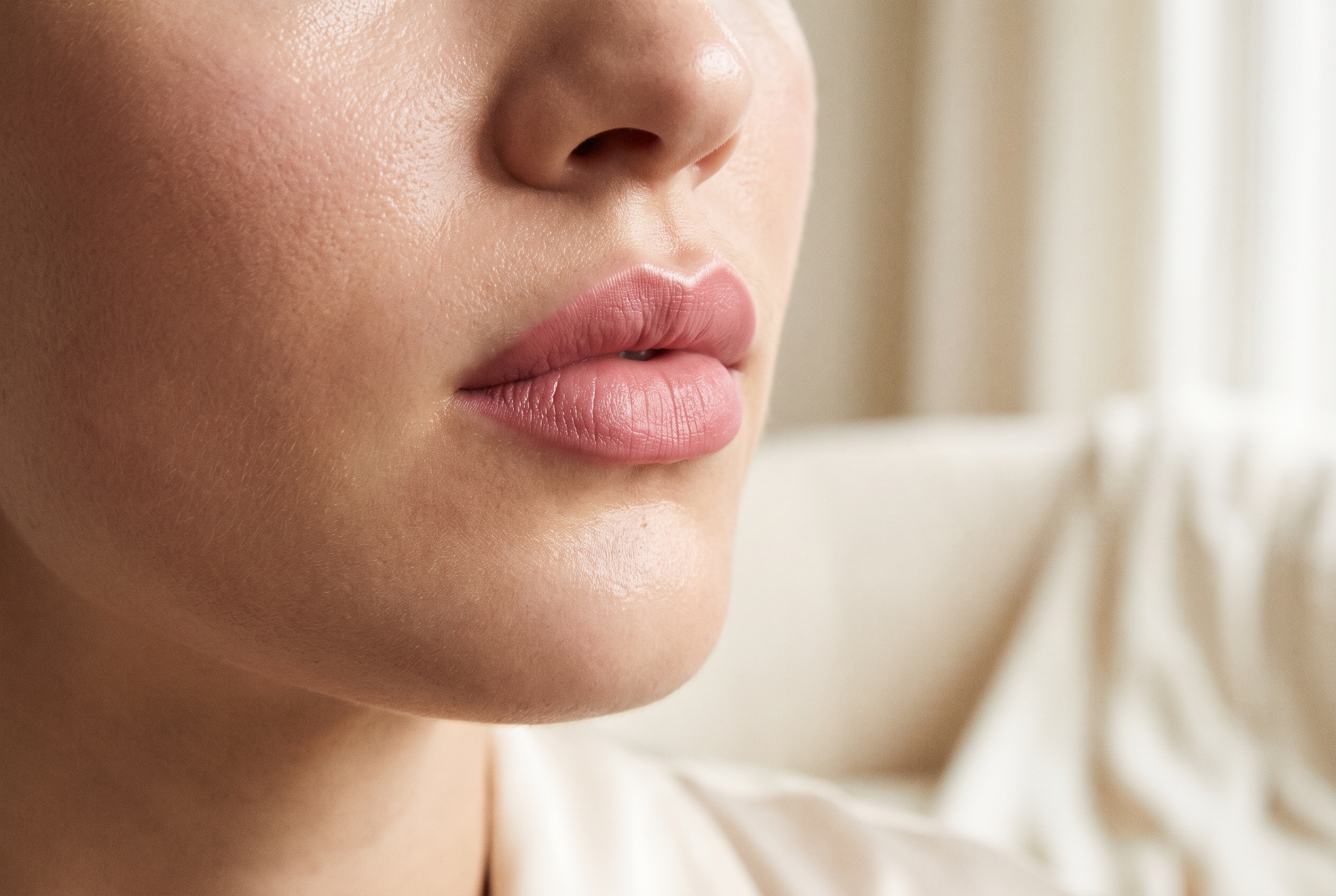
Does lip filler hurt? The honest answer
Worried lip filler will hurt? The honest answer is reassuring: most people rate it a 2 - 5 out of 10 - more of a pinch than real pain. Here's what to expect.

"Is it going to hurt?" is usually the very first thing people ask about lip filler - often before they ask about price or shape. It's a completely fair question, and you deserve an honest answer instead of a vague "you'll be fine." So here it is.
How much it really hurts (the honest answer)
Most people rate the injections somewhere around a 2 to 5 on a 1-to-10 pain scale. That puts it firmly in the "discomfort" range rather than the "pain" range. It's noticeable, but it's brief, and it's very manageable.
The reason the number lands so low is that a lot of thought goes into keeping you comfortable. Between numbing cream, the filler itself, and how quick each injection is, the experience is far gentler than the mental image most of us build up beforehand.
If you've been imagining something dramatic, take a breath. For the vast majority of people, this is closer to "a bit unpleasant for a few minutes" than "painful."
What it feels like, step by step
The most common way people describe it is a series of small pinches, a bit of pressure, or a light sting. Think of a quick bee sting or an ant bite - the sharp part fades almost instantly, not something that lingers.
Here's roughly how it goes:
- The pinch. As the needle goes in, you feel a quick, sharp little pinch. It's over in a second.
- The pressure. As the filler goes in, you feel a mild pushing or fullness. This is pressure, not sharpness, and it's usually the part people mind least.
- The tender spots. Some areas are more sensitive than others. The cupid's bow and the outer corners of the lips tend to feel more tender, while the body of the lip is usually easier.
None of these last. Each injection is a few seconds, and the whole appointment is typically short.
How they keep you comfortable
This is the part that changes everything, and it's worth knowing before you go in.
First, a strong topical numbing cream is applied to your lips about 15 to 20 minutes before anything starts. By the time the first injection happens, your lips are already significantly numb, which dramatically reduces what you feel.
Second, most modern fillers contain lidocaine - a numbing agent mixed right into the product. So as the filler goes in, it numbs the area further. It's a layered comfort effect: numb before, and more numb as it goes.
Your injector can also use ice or gentle pressure along the way to keep discomfort and bruising down. If something feels like too much, you can always ask them to pause. You're in control the whole time.
Nervous? That's normal
Feeling anxious before a needle near your face is completely normal - and worth naming, because anxiety genuinely makes the whole thing feel worse than it is. When you're tense and bracing, every sensation gets amplified.
A few simple things help more than you'd expect:
- Eat beforehand so you're not lightheaded.
- Breathe slowly and steadily instead of holding your breath.
- Tell your injector you're nervous - a good one will talk you through each step.
A lot of first-timers walk out saying the same thing: "That was so much easier than I built it up to be." The fear is almost always bigger than the pinch.
See your result first to calm the nerves
Often what makes people most nervous isn't only the needle - it's the not-knowing. You're anxious about the sensation *and* uncertain whether you'll even like the result, and those two worries feed each other.
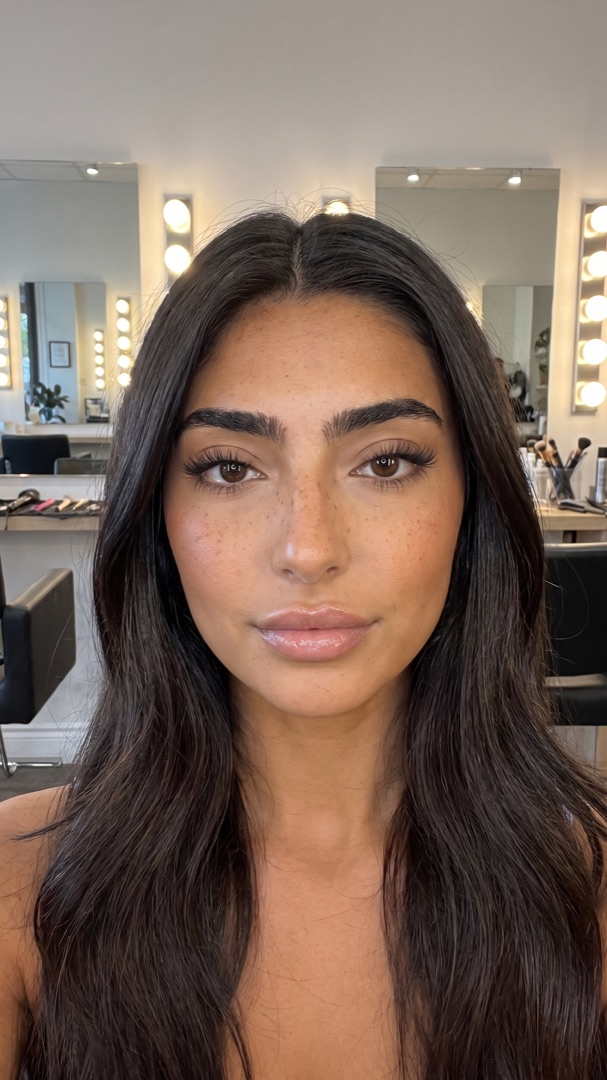
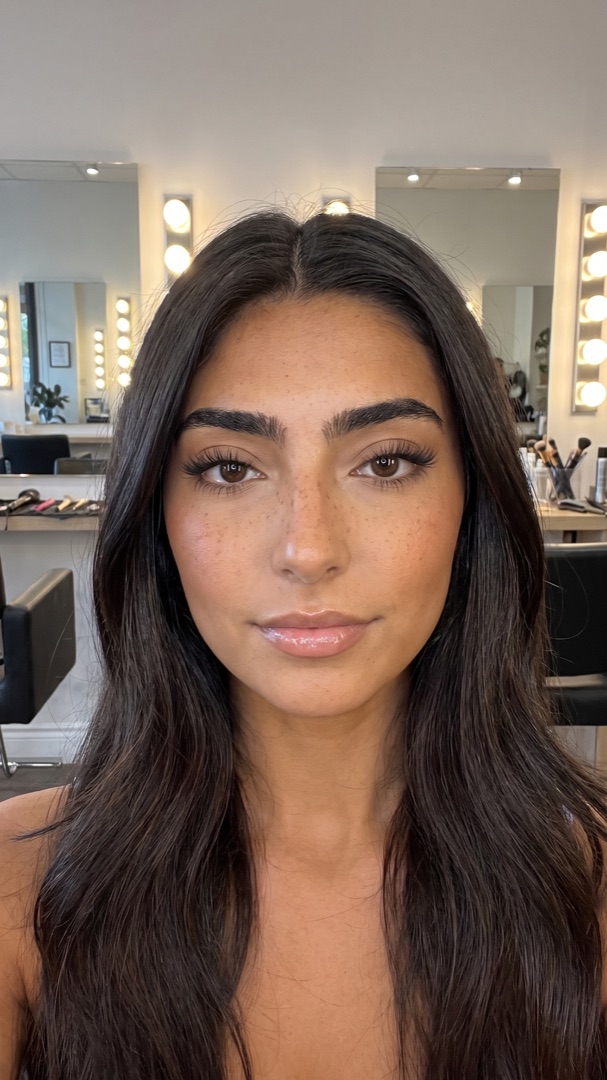
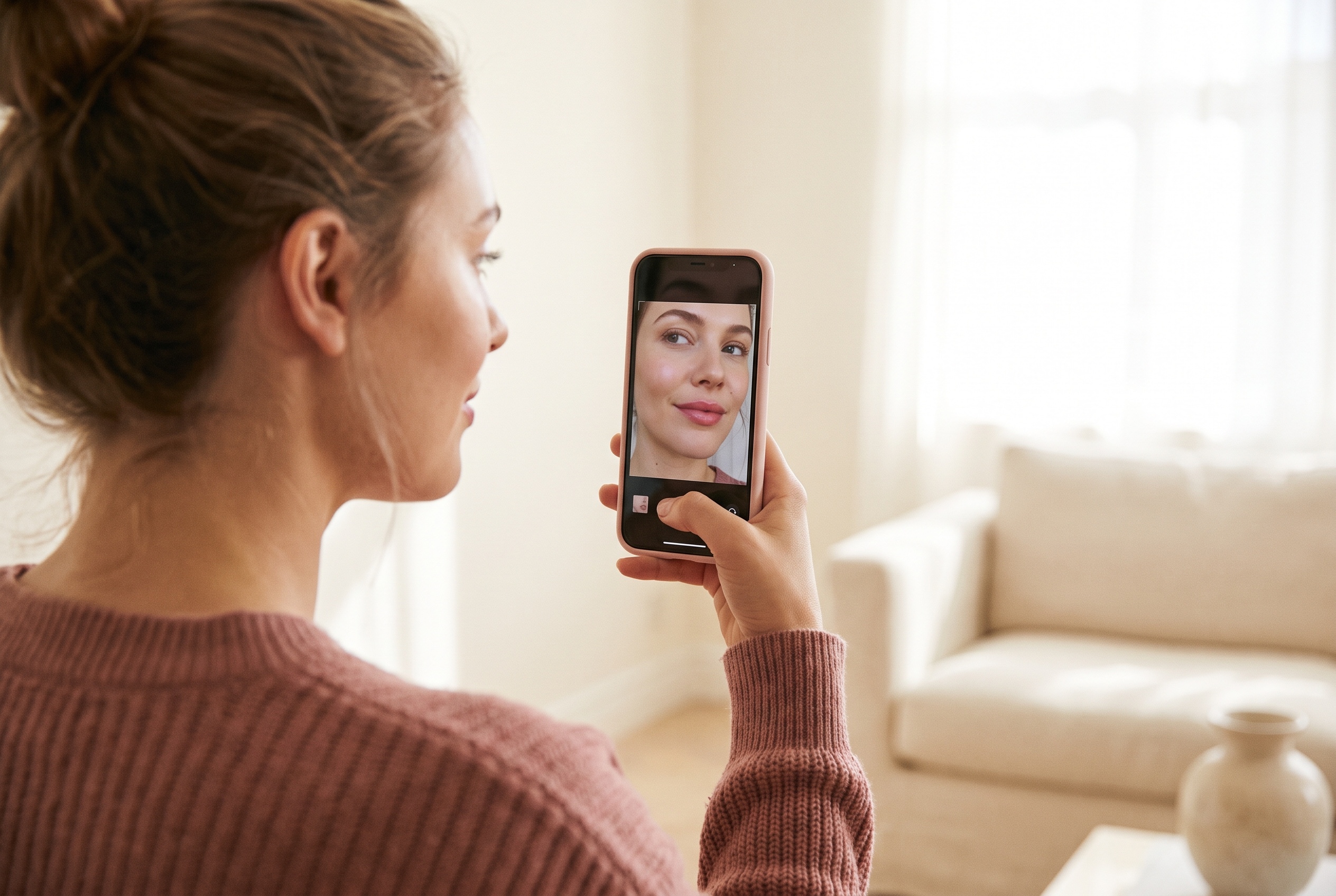
You can take one of them off the table before you book. With LipsUp, you preview fuller lips on your own selfie and slide between your real lips and the new look, so you walk in already knowing the shape you want. When you're calm and confident about the outcome, the whole appointment feels lighter.
Try LipsUp free and preview your new pout before you book - it's one less thing to be nervous about.
QUESTIONS
Frequently asked
How much does lip filler hurt on a scale of 1 to 10?
Most people rate it around a 2 to 5 out of 10 - more discomfort than real pain. With numbing cream applied beforehand and lidocaine mixed into the filler, the sharp part of each injection fades almost instantly.
Does the numbing actually work?
Yes. A strong topical numbing cream is applied about 15 to 20 minutes before you start, so your lips are already numb before the first injection. Most fillers also contain lidocaine, which numbs the area further as it goes in - a layered comfort effect.
Can LipsUp tell me whether my filler will hurt?
No. LipsUp is a beauty visualization tool made for inspiration and entertainment only. It shows you how fuller lips might look on your selfie, but it can't predict pain, healing, or the outcome of any cosmetic procedure. For anything medical, talk to a licensed professional.